Recharging!

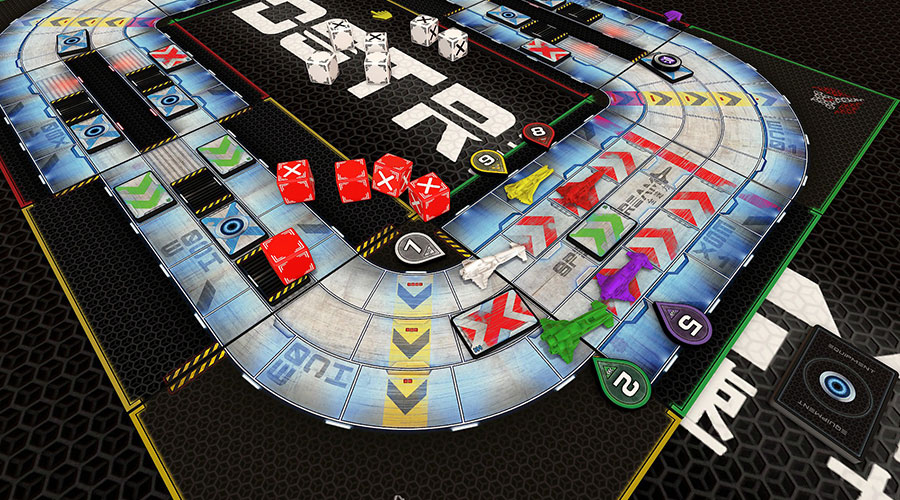
This week was a blast! Speedstream Recharged is taking shape with streamlined mechanics that will revolutionize how the game is played. Expect intense action, simplified rules, and effortless tracking—we’ve stripped away the clutter to focus on the fun.

There’s plenty left to do, but the momentum is incredible!

Mathemathics

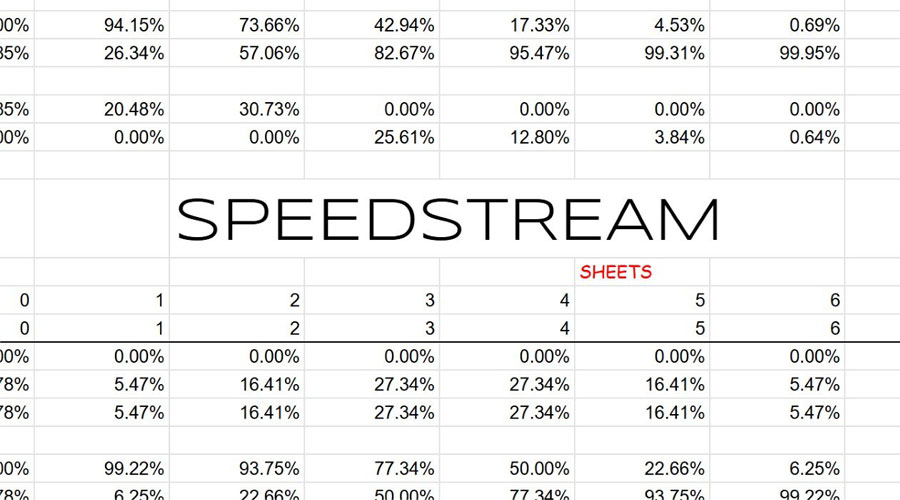
Today’s focus was on probability charts. When designing or redesigning a game that balances randomness with player agency, the experience should remain fair and intuitive. We spent most of the day experimenting in Excel, and the results were incredible; it provided a significant breakthrough for our mechanics and helped simplify the game flow even further.

I’m really excited to see how this translates in playtests!

This feels good!

Today’s playtests focused on both 1-on-1 and 3-player sessions. Everything ran smoothly, which is a great sign, though I know that only continued, intensive testing will reveal the deeper balance issues. I’m staying vigilant.

In the 1-on-1 game, things ended early in round four: one player successfully escaped and delivered the aetherium load to the board edge. While this is a rare outcome, it’s worth monitoring. On one hand, given the maneuverability and the board size, it should be avoidable with good play—but since it actually happened, I need to investigate how “easy” this shortcut really is.

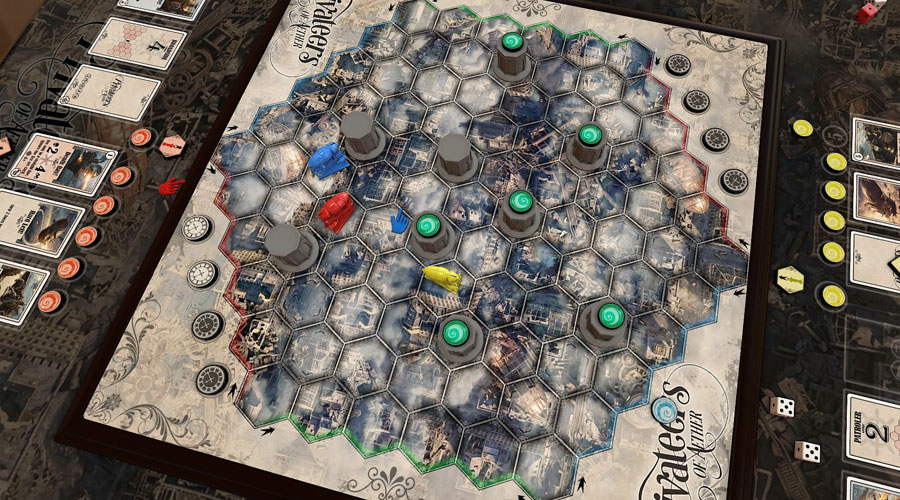
The 3-player battle, however, hit the sweet spot. It was intense, balancing combat, maneuvering, dice luck, and deck management perfectly. The aetherium worked exactly as intended; the prospect of a massive payoff at the board edge serves as a strong primary driver for the game, while remaining difficult enough to keep it a challenge rather than a guaranteed goal. I’m really happy with how this setup feels!

Revisiting old Project

Speedstream was my first self-published title back in 2020. At the time, a full Kickstarter campaign was out of reach due to budget and timeline constraints, so I released it as a Print & Play.

Looking back, I’ve often thought about how to improve the player experience. While the game’s “mathematics” seemed fine during development, I now find them a bit cumbersome. There’s simply too much mental math and too many modifiers to track. At the time, my work on the Hardwar wargame definitely biased me toward stacking modifiers!

I’m going to revise Speedstream! I’m developing an “Arcade” version designed to eliminate numerical clutter in favor of a faster, more streamlined gameplay loop.

Quality of live tweaks

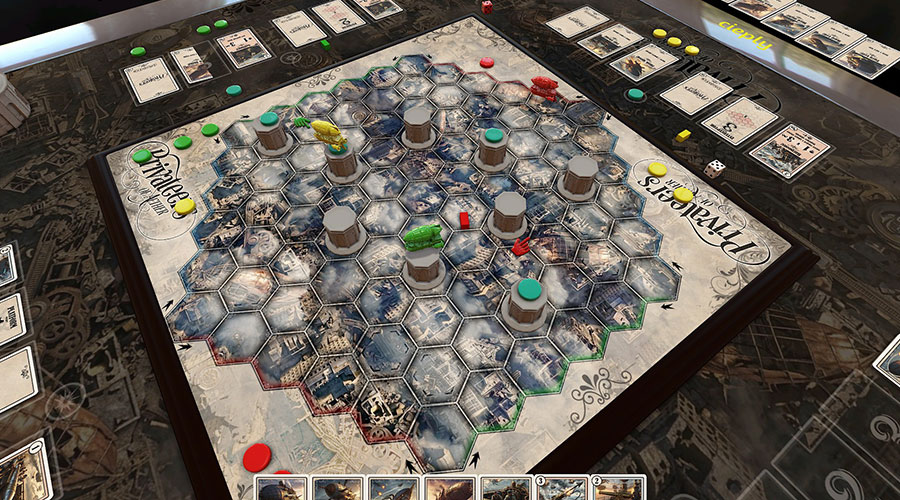
Today’s test was a 1-on-1 battle with a smaller game field. This makes the game more intense with just two airships without additional rule changes. The game was a draw, but lasted full eight rounds, and everything changed at the end of the last round.

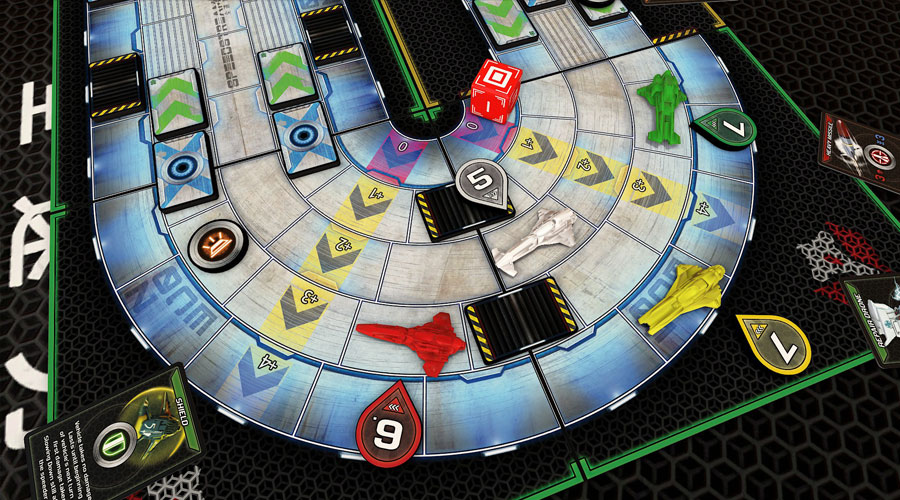
It could go better for one of the players, but I’m really happy with the game flow. There were “Ahead!” indicator tokens added, which make it easier to visualise playing an “empty” card. But there is more to consider: a “free reload” to make the last round more intense, and an easier starting deck configuration.

Almost there

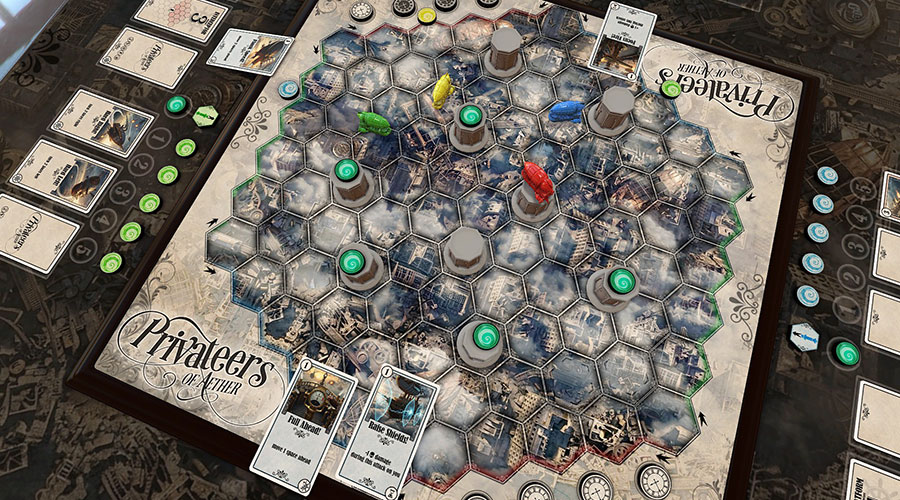
Round seven, the blue captain wins by one successful delivery and the final torpedo attack. It was a head-to-head between the yellow Broadside and the blue Platform. The green Interceptor had really bad luck with dies, one mistake with planning, and couldn’t get points fast enough.

I’m almost happy with the flow. Almost, as there is still a need for test plays to prove (or disprove) my ideas.

Of course, I have to thank all my friends who attend those test plays. We are almost there!

Time is Precious

After this week’s playtests, an issue occurred to me. There is a problem with time. With endless time, there is no point in rushing the fight, no need to score points in a hurry. And that led to a boring experience. Aerial combat of privateers should be fast and dense.

I have checked the statistics, and with the given number of maneuvers, there are plenty of ways to cross the board several times, so narrowing the number of rounds may speed up the action.

Of course, I wouldn’t be me if the visuals weren’t updated as well.

Finding the Flow in Playtesting

It’s been a week of “breaking things to fix them.” We recently put several core rules through the ringer, and—as is often the case in game dev—a few of them proved to be significantly out of balance during live gameplay.

While it can be a bit jarring to see your systems buckle, that’s exactly why we playtest. We’ve already drafted a series of solutions to reel in those outliers, which of course means another round of testing is right around the corner.

The most exciting takeaway is that the main game loop is finally aligning with the original vision. Movement feels somehow intuitive and “at hand”, and new paths to victory are opening up, giving players more agency.

A few “on-the-fly” tweaks suggested during today’s first session turned out to be absolute game-changers. It’s amazing how a minor adjustment to a variable can suddenly make the whole experience click.

Designing a Game

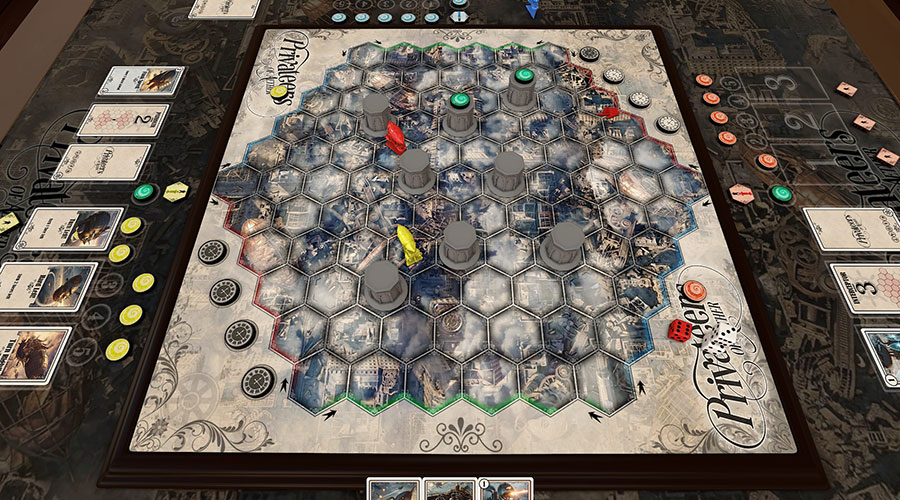
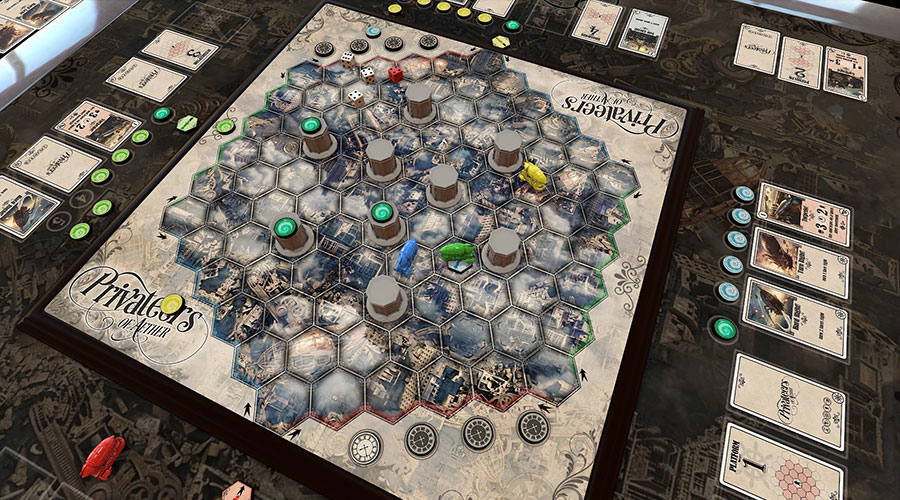
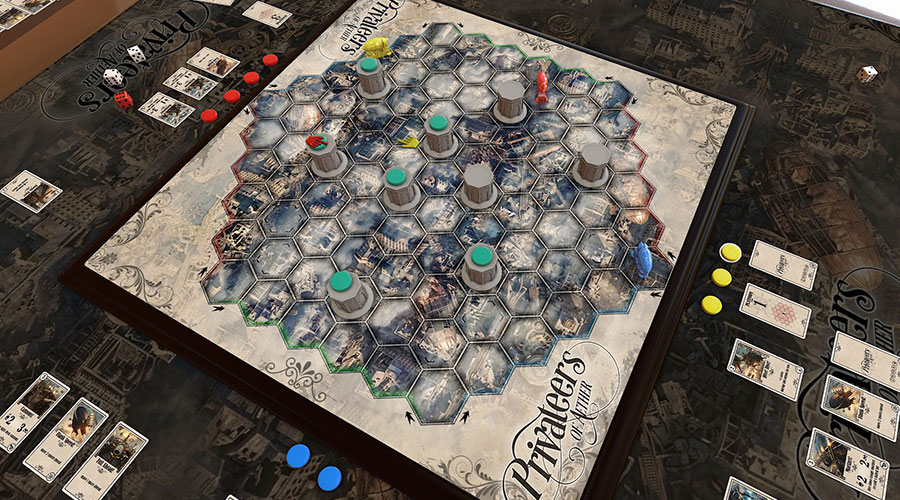
Over the past few months, I have been developing a new tabletop board game title, Privateers of Aether.

Driven by a passion for systems design, I’ve enjoyed seeing the game’s mechanics transition from concept to functional gameplay. While development is well-advanced, I am currently focused on iterative testing and refinement.

I look forward to sharing more updates soon, including a retrospective on the game’s evolution and the lessons learned during the process.